


 Latest:

 oct 20 2026
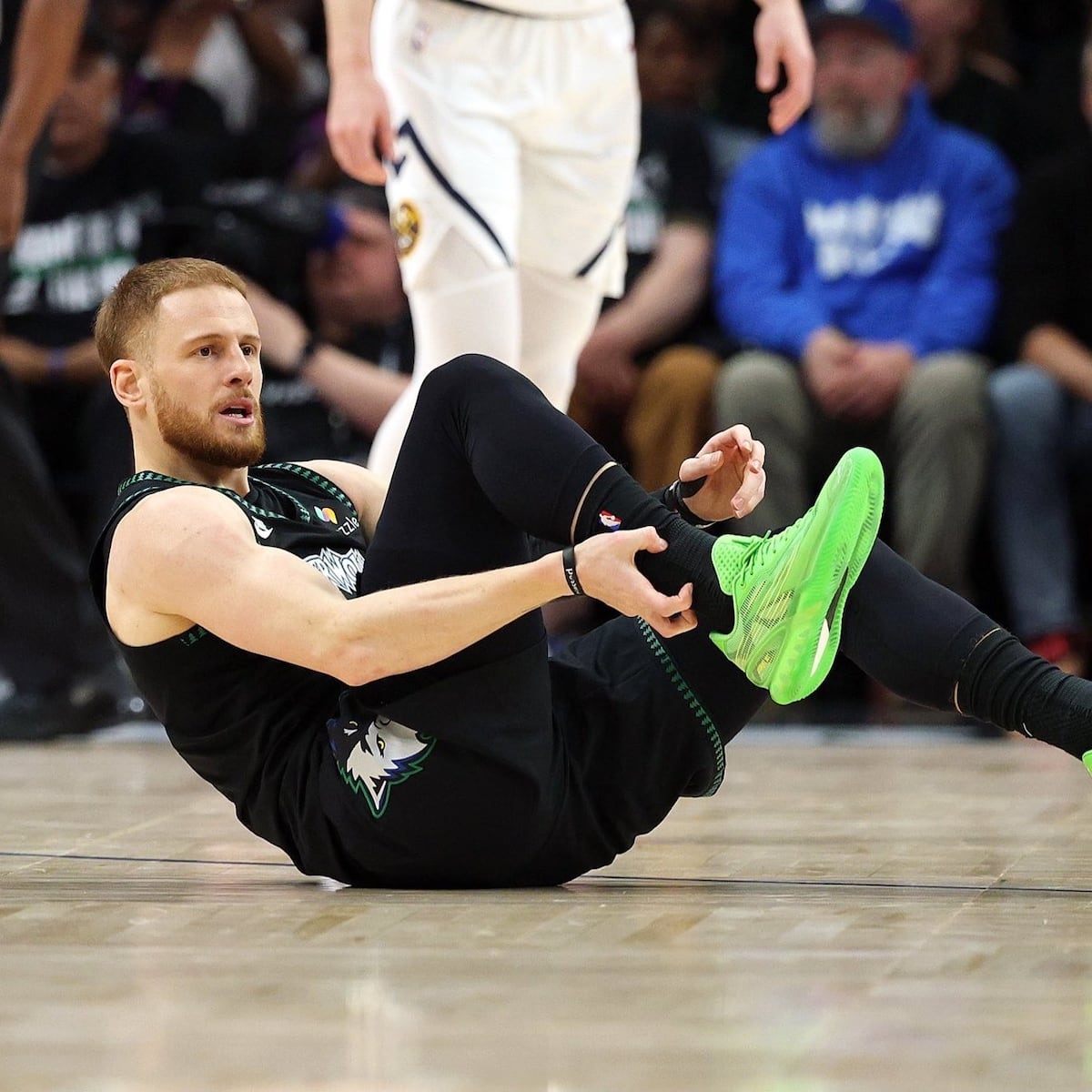
The scene repeats with unsettling precision. A player sprints toward the basket, or tries to stop to change direction, and suddenly turns looking for who kicked his heel. No one is there. He grabs his leg, tries to put weight on his foot, and realizes his season is over.
Any doctor who sees the play knows the diagnosis before the MRI.
It's no longer a veteran's injury
Not long ago, tearing your Achilles tendon was almost synonymous with retirement.
It happened mostly to players with many years of career on their legs, and in the NBA you'd see, at most, one case per season. It was an accepted risk, like a ligament tear in any contact sport. In recent years that has changed. Tears are more frequent and those who suffer them are no longer veterans at the end of the road: they are stars and rotation players around thirty years old or younger, right at the age when the body should respond better.
A game that demands stopping on a dime
The first suspicion points to basketball itself. The game has stretched toward the three-point line, there's more space to cover and it's played at higher speed. A player today accumulates far more accelerations, decelerations, and changes of pace than one did twenty years ago, and each of those movements loads the tendon.
Analysis of the footage reveals a very clear pattern: almost none of these tears come from a collision. They occur in a specific movement, called the misstep. To explode forward, the foot plants behind the center of gravity of the body, the ankle flexes to the maximum, and the tendon suddenly receives all the force of the acceleration. Sometimes it holds. When it doesn't, it tears.
The sneaker suspicion
The second factor is in the feet. High-performance sneakers carry carbon fiber plates and very rigid materials that help you jump higher and accelerate faster. The problem is what happens with the energy the sole doesn't absorb. If the shoe doesn't give, that load travels up the foot and concentrates in the ankle and tendon. Some specialists believe this explains part of the increase, though there's no definitive conclusion.
Measuring the tendon before it fails
Facing the lack of a single answer, franchises have turned to prevention. Some teams use elastography, a test that measures tendon stiffness, to detect players at higher risk, and have incorporated eccentric strength work into their routines. None of that guarantees the tendon won't tear. What is clear is that the NBA has built a game faster and more athletic than ever, and the Achilles tendon is one of the places where the body is paying the price.


