


 Latest:

 ago 09 2026
U.S. college basketball has become an increasingly attractive destination for young European talent in recent years. NCAA's economic growth, combined with current NIL opportunities, has completely transformed the market. However, accessing this new landscape is proving equally difficult for everyone.
Continuous changes to eligibility rules are particularly affecting international players, who must also navigate an academic and athletic certification process through the NCAA Eligibility Center. In recent weeks, several names directly connected to Spanish basketball have encountered problems: Gildas Giménez, Bassala Bagayoko, and Izan Almansa.
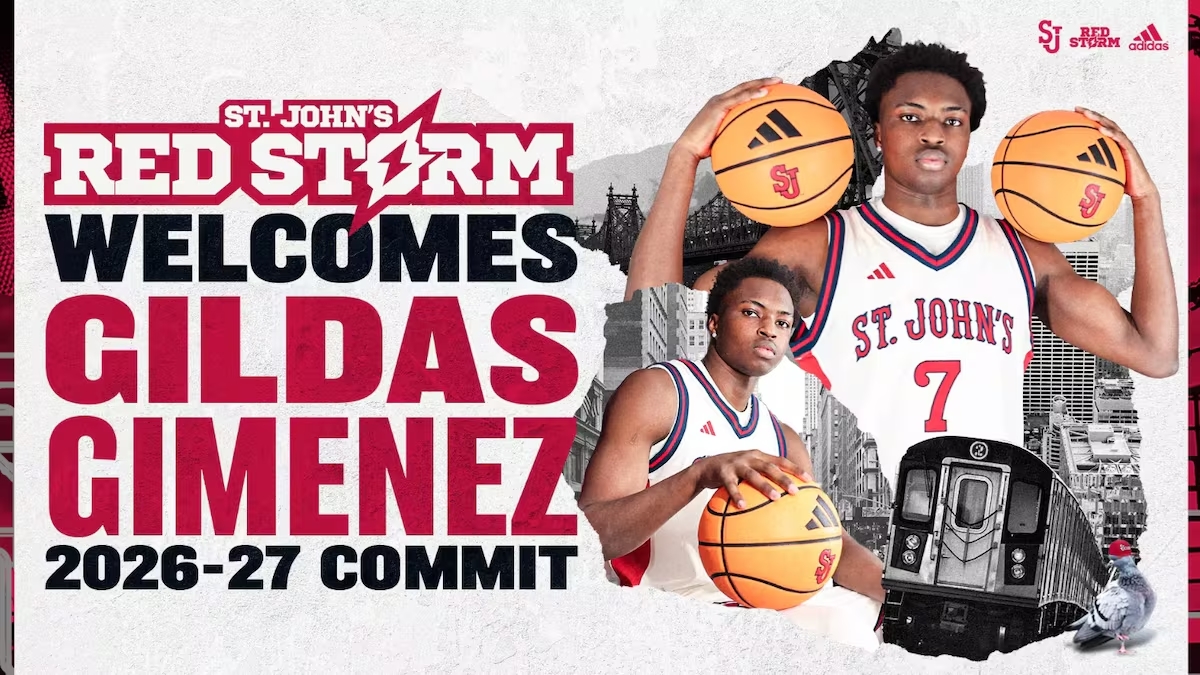
The most recent case is Gildas Giménez. The 19-year-old wing, who spent several seasons in Real Madrid's youth system, had signed with St. John's to compete in the 2026/27 season under Rick Pitino's direction. The university officially announced his signing on June 24.
Giménez had just completed a season at Bella Vista Prep in Arizona after leaving Real Madrid and relocating to the United States. However, his move to St. John's will not happen after being deemed academically ineligible, forcing the player to seek an alternative to continue his career.
The situation also affects Bassala Bagayoko. The 19-year-old Malian center, who played for Bilbao Basket last season, was on track for college basketball after the Basque club planned its roster without him. Eligibility issues have now left his future in a much less clear situation.
A similar situation applies to Izan Almansa. The Spanish international had arranged his move to Gonzaga, but his professional background requires special attention to his case. Almansa declared for the NBA Draft and subsequently played in the G League, so his possible return to college basketball depends on how the NCAA interprets the new rules. Gonzaga continues to await a ruling on his eligibility.
The problem arrives amid a complete system overhaul. Starting August 1, 2026, Division I has introduced a new eligibility model also based on age. The five-year period can begin with first full-time college enrollment or, depending on date of birth, starting the academic year after turning 19. Once started, the clock continues running even if the player does not compete.
The NCAA aims to provide a more uniform framework, but the reality of this summer is showing a landscape still full of interpretations, exceptions, and situations awaiting resolution. Especially for international players arriving after competing in European professional structures, where the line between development and professionalism does not always align easily with the American model.
And here lies one of the great contradictions of the new market. While the NCAA has increasingly greater economic resources to attract players from Europe and has become a genuine alternative to starting a professional career on the continent, entering it remains an uncertain process for certain profiles.
Giménez has already experienced the consequences. Bagayoko awaits learning what path he can take, and Izan Almansa continues waiting to join Gonzaga. Three different cases that reflect the same problem: the NCAA attracts more international talent than ever, but its new rules still do not offer all those players the security of being able to compete once they cross the Atlantic.


